Melasma Treatment: Why It Comes Back and How to Manage It
Rule2026-11-19T07:21:37+00:00You finally see your melasma fade after weeks of treatment, and then a few months later the patches are back, sometimes darker than before. If this sounds familiar, you are not doing anything wrong. Melasma is one of the stubbornness skin conditions, and its tendency to return is the main reason people feel frustrated and give up.
At Vama Clinics, melasma is one of the most common concerns we see, especially in Indian skin. The key is to stop thinking of it as a stain to remove and start thinking of it as a condition to manage. If you are looking for pigmentation treatment in Lajpat Nagar, this guide explains why melasma returns and what a realistic long-term plan looks like.
What Is Melasma?
Melasma is a type of hyperpigmentation that causes brown, tan or grey-brown patches on the face. It usually appears on:
- The cheeks
- The forehead
- The upper lip
- The nose and chin
The patches are often symmetrical, meaning they show up on both sides of the face. Melasma is not harmful or contagious, and it is not a sign of skin cancer, but it can affect confidence a great deal.
It is far more common in women and in people with medium to deep skin tones, which includes most Indian skin. The pigment-producing cells in Indian skin are highly reactive, so they respond strongly to triggers such as sun, heat and hormones.
What Causes Melasma?
Melasma does not have a single cause. It develops when several factors act together on skin that is already prone to it.
Sun exposure. Ultraviolet rays, and even visible light, stimulate the pigment cells. This is the biggest trigger and the main reason melasma worsens.
Hormones. Pregnancy, birth control pills, hormone therapy and conditions such as PCOS or thyroid problems can all trigger or worsen melasma.
Genetics. If your mother, sister or other close relatives have melasma, your risk is higher.
Heat. Cooking near a flame, hot weather, saunas and long drives in the sun can make patches darker, even without direct sunlight.
Skin irritation. Harsh scrubs, aggressive treatments or unsuitable products can inflame the skin and darken melasma.
Stress and lack of sleep. These can affect hormones and skin health, and many people notice flare-ups during stressful periods.
Why Does Melasma Keep Coming Back?
This is the question almost every patient asks. There are five main reasons.
1. The Triggers Are Still There
A treatment can lighten the colour, but it cannot remove your genes, hormones or the sun. If the triggers continue, the pigment cells simply become active again. This is why melasma is described as a chronic, relapsing condition.
2. Sun Protection Is Not Consistent
A few days of strong sun can undo weeks of progress. Many people use sunscreen only when they go to the beach or on a hot day. For melasma, sun protection is needed every single day, including cloudy days and time spent indoors near windows.
3. Hormonal Changes Continue
Pregnancy, new medicines, thyroid changes and PCOS can all reactivate melasma. If the hormonal cause is not addressed, patches often return.
4. Treatment Was Too Aggressive or Stopped Too Early
This surprises many people: stronger is not always better for melasma. Harsh peels or high-energy lasers can inflame the skin and make melasma worse, especially on Indian skin. On the other hand, stopping treatment as soon as the patches lighten leaves the skin vulnerable to relapse.
5. Wrong Diagnosis or Wrong Products
Melasma can look like other types of pigmentation, such as sun spots or post-acne marks, but it needs a different approach. Using treatments meant for other conditions can fail or even worsen the problem. Steroid-based creams, sometimes sold as quick-fix “fairness” products, can thin the skin and cause long-term damage.
How Is Melasma Treated?
Melasma treatment is rarely a single procedure. A good skin pigmentation treatment in Lajpat Nagar usually combines several steps, chosen after a proper skin assessment.
Medical topical treatments. Prescribed creams can help reduce melanin production and even out skin tone. They need to be used as directed and under medical guidance.
Gentle chemical peels. Mild, carefully selected peels can help renew the skin’s surface and support lightening. The strength and type must suit your skin to avoid irritation.
Light-based and laser treatments. Some low-energy approaches may help certain people, but they need to be selected carefully. Using the wrong settings can worsen melasma, so this should be done only by an experienced professional.
Oral support where needed. In some cases, a doctor may suggest medicines or supplements as part of the plan, depending on your health and medical history.
Skin-barrier repair and brightening care. A healthy skin barrier responds better to treatment and is less likely to flare up.
Sun and heat protection. This is the foundation of every melasma plan, and no treatment works well without it.
Results vary from person to person, and improvement is usually gradual, over weeks to months.
How to Manage Melasma Long Term
Because melasma tends to return, long-term management matters more than any single session.
Protect Your Skin Every Day
- Use a broad-spectrum sunscreen of SPF 30 or higher every morning
- Choose a sunscreen with physical filters (zinc oxide or titanium dioxide) or a tinted version, since visible light can also trigger melasma
- Reapply every two to three hours when outdoors
- Wear a wide-brimmed hat, sunglasses and a scarf
- Avoid peak sun between late morning and mid-afternoon where possible
Keep Your Skincare Simple and Gentle
- Use a mild cleanser and a good moisturizer
- Do not scrub, rub or pick at your skin
- Introduce one new product at a time
- Avoid home remedies such as lemon juice, baking soda and toothpaste
- Never use steroid creams without a doctor’s advice
Look After Your Overall Health
- Get thyroid levels and hormones checked if you have other symptoms
- Eat a balanced diet with enough protein, iron and vitamins
- Manage stress and aim for good sleep
- Talk to your doctor before starting or stopping any hormonal medicine
Stay Consistent With Follow-Up
- Complete the full treatment plan, even when the patches have faded
- Go for maintenance and review visits, as advised
- Take a photo every month to track your progress honestly
- Contact your clinic early if you see patches returning
Choosing the Right Clinic for Melasma
Because melasma needs care and patience, the choice of clinic matters. A good pigmentation treatment clinic in Lajpat Nagar should offer:
- A proper skin consultation to confirm that it is melasma and not another condition
- Experience with Indian and darker skin tones
- A personalized, gentle plan instead of a one-size-fits-all package
- Honest advice that explains that melasma can return
- Safe devices and hygiene standards
- Aftercare and follow-up, including sun-protection guidance
- Transparent pricing, with no promises of overnight results
Be cautious if anyone guarantees that your melasma will disappear forever. No honest professional can promise that.
Common Myths About Melasma
Myth: Melasma is caused by dirty skin or poor hygiene.
Fact: It is linked to sun, hormones and genetics, not cleanliness.
Myth: A strong peel or laser will clear it quickly.
Fact: Aggressive treatment can worsen melasma, especially in Indian skin.
Myth: Sunscreen is only needed in summer.
Fact: UV rays and visible light reach the skin all year, including on cloudy days.
Myth: Once it fades, you can stop treatment.
Fact: Maintenance and sun protection are what keep it from returning.
Myth: Only women get melasma.
Fact: It is more common in women, but men can get it too.
Frequently Asked Questions
What is the best treatment for melasma?
There is no single best option for everyone. The best pigmentation treatment in Lajpat Nagar for you is the one that suits your skin type, the depth of your pigmentation and the cause behind it.
Can melasma be cured permanently?
Melasma can be controlled and often improved a lot, but it can return, so it is best seen as a condition to manage over time.
Why did my melasma get darker after treatment?
Irritation, sun exposure or an unsuitable treatment can darken melasma. Always follow your doctor’s advice and protect your skin from the sun.
Is melasma treatment safe for Indian skin?
It can be, when the treatment is gentle, well chosen and done by an experienced professional.
How long does melasma take to improve?
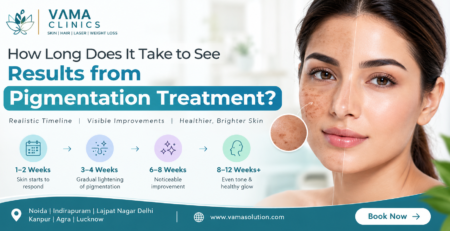
Most people see gradual changes over several weeks to a few months. Full management may take longer.
Will melasma go away after pregnancy?
It sometimes fades on its own after delivery or after stopping hormonal medicines, but not always. A skin check helps decide whether treatment is needed.
Can I use home remedies for melasma?
It is best to avoid them. Many can irritate the skin and make melasma worse.
Can melasma return even if I use sunscreen?
Yes, because hormones and heat also play a part. Sunscreen lowers the risk but does not remove it completely.
Final Thoughts
Melasma comes back because its causes are ongoing: sun, heat, hormones and genetics. The best results come from a combination of gentle treatment, strict daily sun protection, healthy habits and regular follow-up, rather than from any single quick fix. With patience and the right plan, most people see a clear improvement and can keep their skin tone more even over time.
Be careful with any pigmentation removal treatment in Lajpat Nagar that promises complete or permanent results, since melasma can fade well but can also return. Ready to start a plan that fits your skin? Book a consultation with Vama Clinics today.