Benefits of Hair Transplant Surgery: An Honest Guide for Agra
Rule2026-11-24T08:38:41+00:00Hair loss rarely arrives with a warning. One day the hairline looks a little higher, the crown a little thinner, and the photos from a few years ago start to feel like a different person. For many people, it quietly chips away at confidence.
A hair transplant is one of the few treatments that can bring back hair using your own follicles. But like any surgery, it has real benefits and real limits. This guide explains both, so you can decide with clear eyes. If you are weighing up a hair restoration clinic in Agra, start by understanding what a transplant can and cannot do for you.
What Is a Hair Transplant?
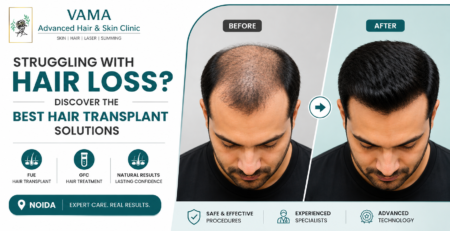
A hair transplant moves healthy hair follicles from a donor area, usually the back or sides of the scalp, to areas that are thinning or bald. Because the hair is your own, it grows in the same way as the rest of your hair once it settles in.
At VAMA Solution, the procedure is done mainly with follicular unit extraction (FUE), in which individual follicles are taken one by one and placed into the treatment area. Your doctor examines your scalp first to assess hair density, the donor area and the likely pattern of future hair loss.
The Main Benefits of Hair Transplant Surgery
- It uses your own hair
Unlike a wig or a fibre-based cover-up, a transplant relies on your own follicles. Once they establish themselves, they grow, can be trimmed and can be styled like the rest of your hair.
- Natural-looking results
A well-planned transplant respects the natural angle, direction and density of your hair. Hairline design is a big part of this. A hairline that suits your face and age is what separates a natural result from an obvious one.
- A long-lasting solution
Follicles taken from donor areas that resist thinning generally continue to grow for many years after they are moved. That is why a transplant is often described as a long-term solution, rather than something you have to repeat every few months. It does not, however, stop the hair around it from thinning, which is worth knowing before you decide.
- Minimal scarring with FUE
Because follicles are removed individually, FUE avoids the long linear scar that older strip-based methods leave behind. Tiny marks heal over time and are usually hidden by surrounding hair.
- An outpatient procedure with a short recovery
Most people go home the same day and return to their normal routine within a few days. Full healing takes several weeks, and your doctor will tell you what to avoid in the meantime.
- Lower day-to-day maintenance
After recovery, transplanted hair needs the same care as your normal hair. There are no daily applications, no fibres to replace and no adhesives.
- A boost in confidence
This is the benefit people talk about most. Looking in the mirror and liking what you see changes how you present yourself at work, in photos and at social events.
What a Transplant Cannot Do
Being honest about the limits is just as important as listing the benefits:
- It does not stop ongoing hair loss in the rest of your scalp.
- It cannot create more donor hair than you have.
- It will not give instant density. Results build over many months.
- It is not suitable for everyone, and it is not the right first step in every case.
This is why a proper consultation matters. A good doctor will tell you if you are not yet a good candidate.
Who Is Likely to Benefit Most?
A transplant tends to suit people who:
- Have permanent thinning or baldness, such as pattern baldness or a receding hairline
- Have enough healthy donor hair
- Are in good general health
- Have a reasonably stable pattern of hair loss
- Have realistic expectations
People whose hair loss is caused by something treatable, such as a nutritional deficiency or thyroid problem, may need that addressed first.
When Other Treatments Come First
Not every case of hair loss needs surgery. In early or diffuse thinning, non-surgical options may be recommended, either on their own or alongside a transplant.
One popular option is PRP, in which a small sample of your own blood is processed to concentrate platelets, which are then injected into the scalp to support the follicles. Many people ask about plasma therapy for hair in Agra as a way to support existing hair, and it is often used to complement a transplant. Results vary from person to person, so a specialist should confirm whether it suits you.
Other options include GFC therapy and medical treatment to slow further hair loss.
What the Procedure Looks Like
A typical FUE transplant follows these steps:
- Consultation: your scalp, donor area and goals are assessed.
- Planning: your doctor designs a hairline that suits your face.
- Extraction: individual follicles are carefully removed from the donor area under local anaesthesia.
- Implantation: the follicles are placed into thinning or bald areas, matching the natural angle and direction of your hair.
- Recovery: you go home with aftercare instructions.
Because local anaesthesia is used, most people feel little during the procedure.
Recovery and Results Timeline
- First few days: mild tenderness, small scabs and some swelling are normal.
- First couple of weeks: scabs fall away. Avoid touching the area and avoid strenuous exercise as advised.
- Weeks two to four: transplanted hairs often shed. This is a normal phase and not a sign of failure.
- Around months three to four: new growth begins.
- Months eight to twelve: hair thickens and the full result becomes visible.
Patience is part of the process. Be cautious of anyone promising instant results.
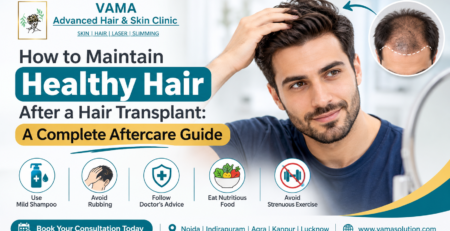
Aftercare Tips That Protect Your Results
- Avoid touching or scratching the transplanted area in the first days.
- Sleep with your head slightly elevated for the period your doctor advises.
- Avoid strenuous exercise for about two weeks, or as advised.
- Use only the shampoos and medicines your doctor prescribes.
- Protect your scalp from direct sunlight.
- Attend your follow-up appointments.
Choosing the Right Surgeon
The benefits of a transplant depend heavily on who performs it. Hairline design, graft placement and donor protection all rely on skill and judgement. When you shortlist the best hair transplant surgeon in Agra, ask who will design your hairline, who will perform each stage of the procedure and how your donor area will be protected for the future.
A surgeon who explains limits as clearly as benefits, and who does not pressure you into a quick decision, is usually a good sign.
Other Options If Surgery Is Not Right for You
Some people are not suitable candidates, or simply prefer a non-surgical route. If that is you, hair replacement in Agra can restore the look of fuller hair without an operation. These solutions need regular maintenance, so it is worth discussing how they fit your lifestyle and expectations.
Questions to Ask Before You Book
- What is causing my hair loss, and is a transplant right for me?
- How many grafts do I realistically need, and how did you estimate that?
- How will you protect my donor area?
- Who will perform each stage of the procedure?
- What recovery and results should I expect?
- What happens if I keep losing hair after the transplant?
Frequently Asked Questions
Is a hair transplant permanent? Transplanted follicles from resistant donor areas generally continue to grow for many years, but surrounding native hair may still thin, so ongoing care is often recommended.
Is it painful? It is performed under local anaesthesia, so most people feel little during the procedure. Mild discomfort afterwards is usually manageable.
How long is recovery? Most people return to daily routines within a few days, while complete healing takes several weeks.
When will I see the final result? New growth usually starts around three to four months, with the full result developing over eight to twelve months.
Can women have a transplant? Some women are suitable candidates, depending on the cause and pattern of hair loss.
Final Thoughts
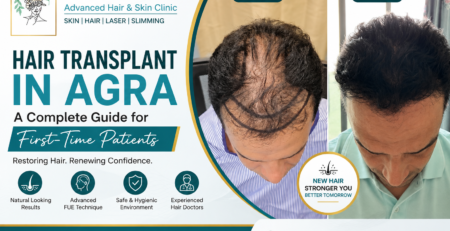
The real benefits of a hair transplant are natural-looking, long-lasting hair that comes from your own follicles, a short recovery and a lift in confidence. The real limits are that it does not stop other hair from thinning, needs patience and depends on good planning.
If you are searching for the best hair clinic in Agra, choose the team that examines your scalp carefully, explains the options honestly and helps you decide at your own pace. At VAMA Solution, treatment plans are based on your hair-loss stage, donor hair quality and goals.
Book a consultation, bring your questions and leave with a clear picture of what a transplant could do for you.