What to Expect After Hair Transplant Treatment?
Rule2026-11-14T05:40:27+00:00A hair transplant does not end when you leave the clinic. The weeks and months that follow decide how well your new hair grows, and knowing what is normal can save you a lot of worry. Swelling, scabs, shedding and a long wait before visible growth are all part of the process.
This guide walks you through the recovery timeline, from the first day to the final result, with aftercare tips, warning signs and advice on choosing the right team. If you are planning treatment at a Hair Restoration Clinic in Agra, use it as a checklist for your own consultation.
Recovery at a Glance
- First few days: Mild swelling, redness and tiny scabs in the treated areas.
- Week 1–2: Scabs loosen and fall off. Most people return to their normal routine within a few days.
- Weeks 2–4: Transplanted hairs begin to shed. This is normal.
- Months 3–4: New hair growth gradually begins.
- Months 8–12: Fuller, thicker hair develops, and final results can take longer in some patients.
Everyone heals at a different pace, so your doctor’s guidance always comes first.
The First Few Days
After the procedure you can usually go home the same day. Expect some redness, mild swelling and small crusts around the transplanted follicles and the donor area. Swelling sometimes appears on the forehead for a few days and settles on its own. Some people also feel numbness or itching in the scalp.
In these early days:
- Avoid touching, scratching or rubbing the transplanted area.
- Sleep with your head slightly elevated.
- Take only the medicines and use only the shampoos your doctor prescribes.
- Protect your scalp from direct sunlight.
The new grafts are delicate at this stage, so gentle handling matters more than anything else.
Weeks 1–2: Scabs and Healing
The small scabs usually loosen and fall off within the first two weeks. Do not pick at them, because this can disturb the grafts. Your doctor will explain when and how to start washing your hair, and which shampoo to use. Follow these instructions exactly.
Most people feel comfortable returning to work within a few days, but strenuous exercise should be avoided for about two weeks, or as your surgeon advises. Sweating heavily, swimming, saunas and steam rooms are usually off the list during this period.
Weeks 2–4: Don’t Panic About Shedding
This is the stage that surprises many patients. The transplanted hairs often fall out within the first few weeks. It looks alarming, but it is a normal part of the cycle. The hair shaft sheds while the follicle underneath stays in place and rests before producing new hair.
This resting period is sometimes called the “ugly duckling” phase. Your scalp may look sparse or even thinner than before the procedure. This is temporary, and it does not mean the transplant has failed. Regular follow-ups let your doctor check how the area is healing and how your hair density is developing. A good Hair Density Clinic in Agra will track this at each visit instead of leaving you to guess.
Months 2–3: The Quiet Phase
Not much seems to happen during this time, and that can test your patience. Beneath the surface, the follicles are getting ready to produce new hair. Some people notice small pimple-like bumps or mild itching as the first fine hairs start to push through. Avoid squeezing or scratching them. If they bother you or look infected, ask your doctor.
Months 3–6: New Hair Appears
New hair growth usually begins around three to four months after the procedure. The first hairs are often fine, light and uneven. Over the following months they thicken and darken. By around six months, many patients notice a clear improvement, though the hair still has more growing to do.
Months 8–12 and Beyond: The Final Result
Hair keeps getting thicker and denser through the first year, and full results typically develop between 8 and 12 months. In some people, it takes a little longer. Results vary depending on the quality of donor hair, the extent of hair loss, your age and how closely you follow aftercare.
Transplanted hair is taken from areas that are generally resistant to the hormone behind pattern baldness, so it tends to keep growing long-term. However, your existing native hair can still thin over time, which is why some patients continue with medical treatment.
Aftercare Dos and Don’ts
Do:
- Follow every instruction from your surgeon, even if it seems minor.
- Keep your follow-up appointments.
- Eat a balanced, protein-rich diet and drink enough water.
- Wear loose, front-buttoned clothing until your doctor allows pullovers.
- Use sunscreen or cover the scalp as advised once healing allows.
Don’t:
- Scratch, rub or pick at scabs.
- Press a comb or brush on the grafts until your doctor says it is safe.
- Wear hats or helmets too early without checking.
- Smoke or drink alcohol if your doctor has advised against it during healing.
- Start any new hair products or supplements without asking.
Generic internet advice can conflict with what your own doctor tells you. The Best Hair Transplant Doctor in Agra for you is the one who gives clear, written aftercare instructions and is easy to reach if you have questions.
What Is Normal and What Needs Attention
Usually normal:
- Redness, mild swelling and scabbing
- Itching during healing
- Temporary numbness in the donor or transplanted area
- Shedding of transplanted hair in the first weeks
- Small pimple-like bumps as new hairs grow
Call your doctor if you notice:
- Severe or worsening pain
- Fever
- Pus, a bad smell or spreading redness
- Bleeding that does not stop
- Swelling that keeps increasing after the first few days
Supporting Your Results
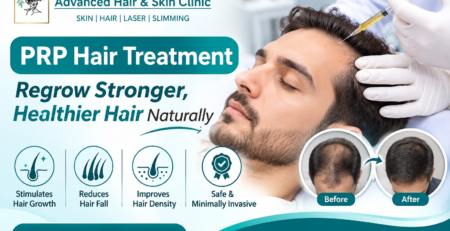
Your doctor may suggest extra treatments to support healing and growth. These can include prescribed medicines, nutritional support and regenerative treatments. Plasma Therapy for Hair in Agra, also known as PRP, uses a concentrated portion of your own blood, which is injected into the scalp to support follicles. Results vary from person to person, so it should only be done when your doctor recommends it.
It is also worth remembering that a transplant is one part of managing hair loss. The Best Hair Treatment in Agra is usually a combined plan that treats the cause of your hair loss as well as restoring lost areas.
If the early shedding phase makes you self-conscious, some patients ask about non-surgical options. Hair Replacement in Agra can cover thin areas cosmetically, but it should only be considered after your doctor confirms that your scalp has healed enough.
Choosing the Right Team for Your Procedure
Your recovery experience depends heavily on who performs and supervises your treatment. When you compare Hair Transplant Doctors in Agra, look beyond promotions and ask:
- Who will actually perform the procedure?
- How is the donor area assessed, and how many grafts are realistic for you?
- How is the hairline designed?
- What aftercare, follow-up and emergency support are included?
- What results can you honestly expect?
A Top Hair Transplant Surgeon in Agra will explain the limitations of surgery as clearly as the benefits. Likewise, the Best Hair Transplant Surgeon in Agra for your case is the one who gives you a personalized plan instead of a standard package. Finally, if you search for the Best Hair Clinic in Agra, check that the clinic offers hygienic facilities and proper post-procedure support, not just the surgery itself.
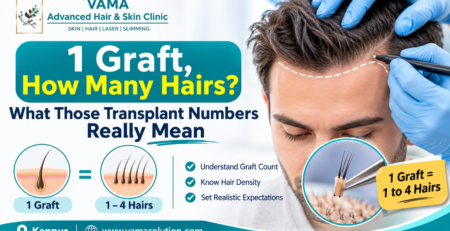
VAMA Solution performs FUE (follicular unit extraction) hair transplants, with each patient evaluated for hair loss stage, donor hair quality and goals before a plan is made.
Frequently Asked Questions
When will I see new hair after a transplant?
New growth usually begins around three to four months after the procedure. Full results typically develop between eight and twelve months.
Is it normal for transplanted hair to fall out?
Yes. Shedding in the first few weeks is normal. The follicles stay in place and grow new hair afterwards.
When can I go back to work?
Most patients return to their daily routine within a few days, but this depends on your job and your doctor’s advice.
When can I exercise again?
Avoid strenuous exercise for about two weeks, or as your surgeon advises.
Is a hair transplant permanent?
Transplanted follicles are typically long-lasting, but your remaining native hair can still thin over time, so ongoing care may be needed.
Can I wash my hair after the procedure?
Yes, but only as and when your doctor instructs. Use the prescribed shampoo and a gentle technique.
The Bottom Line
Recovery after a hair transplant is a gradual process. Expect visible changes to take months, not days, and expect an awkward shedding phase before your new hair grows in. If you follow your doctor’s instructions, attend follow-ups and stay patient, you give your transplant the best chance of a natural, lasting result.
If you are considering a hair transplant, book a consultation to discuss your hair loss, your options and what recovery will look like for you. Learn more on the VAMA Solution hair transplant clinic in Agra page or call +91 92897 58206.