How Stress Is Related to Hair Loss: Causes, Signs and Treatment Options
Rule2026-11-11T07:20:19+00:00Finding more hair on your pillow, in the shower drain or on your comb during a hard phase of life is alarming. Many people in Lucknow notice it after exams, a job change, a bereavement, a long illness or months of overwork. Most of them ask the same question: can stress really make hair fall out?
It can. The good news is that stress-related hair loss is often temporary, and with the right diagnosis and care, hair can recover. This guide explains how stress affects your hair, the types of stress-linked hair loss, and what you can do about it, including when it is time to consult a specialist at a hair clinic in Lucknow.
How Does Stress Affect Your Hair?
Each hair on your scalp grows in a cycle with three main phases:
- Anagen (growth phase): Lasts several years. About 85-90% of your scalp hairs are normally in this phase.
- Catagen (transition phase): A short phase of a few weeks when the follicle shrinks.
- Telogen (resting phase): Lasts around three months, after which the hair sheds and a new one begins to grow.
When your body is under significant physical or emotional stress, it releases hormones such as cortisol and adrenaline. In a survival situation, the body diverts energy to vital functions and treats hair growth as non-essential. Follicles can be pushed out of the growth phase and into the resting phase too early, and weeks later the hair sheds in large amounts.
Stress can also disturb the immune system, affect sleep, reduce appetite and worsen nutrition. All of these can add to hair loss.
Types of Hair Loss Linked to Stress
- Telogen Effluvium
This is the most common stress-related form. A large number of hairs enter the resting phase together, and shedding begins about two to three months after the stressful event. You may notice diffuse thinning across the whole scalp rather than a bald patch. It is usually temporary, and hair often regrows within six to twelve months once the trigger is addressed, though recovery varies from person to person.
- Alopecia Areata
Here the immune system mistakenly attacks hair follicles, causing round or oval bald patches on the scalp, and sometimes the beard or eyebrows. Stress is considered one possible trigger, though genetics and immune factors play a major role. Regrowth is unpredictable, so professional evaluation is important.
- Trichotillomania
This is a hair-pulling disorder, often a coping response to anxiety, tension or boredom. People may pull from the scalp, eyebrows or eyelashes. It needs a combination of dermatological care and behavioural or psychological support.
Is It Really Stress? Other Causes to Rule Out
Stress is rarely the only factor. Before assuming it is the cause, a doctor will usually rule out:
- Androgenetic alopecia (pattern baldness), the most common cause of long-term hair loss in men and women
- Nutritional deficiencies, such as low iron, vitamin D or B12
- Thyroid disorders and hormonal imbalances such as PCOS
- Medications and recent illness or surgery
- Scalp conditions, such as severe dandruff, fungal infection or inflammation
Stress can also speed up pattern baldness in people who are already genetically prone to it, so a person may have both problems at once. This is why self-diagnosis is risky. Proper examination, and where needed a trichoscopy and blood tests, shows what is really happening.
Signs That Your Hair Loss May Be Stress-Related
- Sudden increase in daily shedding, often a few months after a stressful event
- Overall thinning rather than a receding hairline or crown patch
- Hair coming out in clumps during washing or brushing
- Patchy bald spots (possible alopecia areata)
- Other stress symptoms, such as poor sleep, fatigue, anxiety or changes in appetite
Losing around 50 to 100 hairs a day is considered normal. If you are consistently losing much more, or you see visible thinning, it is worth getting checked.
How to Manage Stress-Related Hair Loss at Home
Reduce the stressor where you can. Regular exercise, yoga, meditation, deep breathing and time outdoors all help lower stress levels.
Prioritise sleep. Aim for seven to eight hours. Hair growth and repair depend on good rest.
Eat for your hair. Include enough protein, iron-rich foods, leafy vegetables, nuts, seeds, eggs, pulses and fruits. Avoid crash diets, which can themselves trigger shedding.
Be gentle with your hair. Avoid tight hairstyles, excess heat styling and harsh chemical treatments while your hair recovers.
Do not rush to supplements. Take them only after tests show a deficiency, and preferably on a doctor’s advice.
Seek emotional support. If stress or anxiety feels overwhelming, talking to a counsellor or mental health professional is a valid and effective step.
Medical Treatments That Can Help
When home care is not enough, or when hair loss is more than temporary, medical treatment can help.
Plasma Therapy for Hair in Lucknow
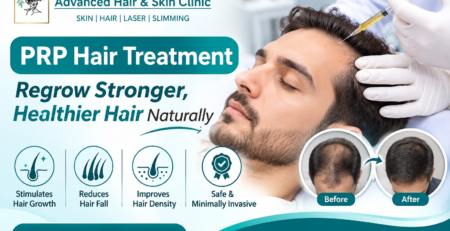
Platelet-rich plasma (PRP), commonly called plasma therapy for hair in Lucknow and elsewhere, uses a small sample of your own blood. It is processed to concentrate the platelets, then injected into the scalp. The growth factors in platelets are thought to support follicle activity and strengthen thinning hair.
PRP is often suggested for early thinning, telegenic effluvium that is slow to recover, and as a supportive treatment alongside medication or after a transplant. Studies suggest it can help many patients, but results vary and several sessions are usually needed. A qualified doctor can tell you whether you are a good candidate and what to realistically expect.
Medication and Other Therapies
Depending on the diagnosis, doctors may recommend topical monoxide, oral medications, nutritional correction, monotherapy, low-level laser therapy or treatment of an underlying thyroid or hormonal issue. Alopecia aerate has its own treatment options, which a dermatologist will guide.
Hair Transplant and Hair Replacement in Lucknow
Pure stress-related shedding rarely needs surgery, because the follicles are still alive and the hair can regrow. But if stress has unmasked or accelerated pattern baldness, or you have permanent thinning or bald areas, surgical restoration may be the right answer.
In a hair transplant, healthy follicles are taken from a permanent donor area, usually the back of the scalp, and implanted into thinning or bald areas. Modern techniques such as FUE (follicular unit extraction) aim to give natural-looking density and hairlines with minimal scarring. For people exploring hair replacement in Lucknow, the choice generally comes down to:
- Surgical hair transplant, which uses your own living hair and gives a permanent result in the transplanted areas
- Non-surgical options, which can suit people who are not good surgical candidates, though they need ongoing maintenance
Not everyone is a candidate for a transplant. Age, hair loss stability, donor hair availability, scalp health and overall expectations all matter, and a careful consultation should come before any decision.
Choosing the Right Hair Clinic in Lucknow
Hair restoration is a medical procedure, and results depend heavily on the surgeon’s skill, planning and ethics. If you are searching for the best hair transplant doctor in Lucknow, look beyond advertising and compare these points:
- Qualifications and experience. Check the surgeon’s medical credentials, specialisation and the number of procedures performed.
- Honest diagnosis. A good doctor will tell you if you do not need a transplant, and may recommend PRP or medication first.
- Before-and-after results. Ask to see real, unedited patient results, ideally with similar hair loss patterns to yours.
- Personalised plan. Hairline design, graft count and donor management should be explained clearly, not offered as a one-size-fits-all package.
- Hygiene and facilities. The procedure should take place in a proper, sterile clinical setting.
- Transparent pricing and aftercare. Ask what is included, how many follow-ups are planned and how complications are handled.
When comparing hair transplant doctors in Lucknow, book consultations with more than one clinic if you can, and ask the same questions at each. The top hair transplant surgeon in Lucknow for you is the one who examines your scalp thoroughly, explains the options honestly and sets realistic expectations.
When Should You See a Specialist?
Consult a hair specialist if:
- Shedding continues beyond three to six months
- You notice patchy bald spots or a receding hairline
- Your hair is visibly thinning and not recovering after a stressful phase
- Hair loss is affecting your confidence or mental well-being
- You have other symptoms, such as scalp pain, redness, scaling, fatigue or weight changes
Early evaluation matters. Some causes are fully treatable when caught early, and a timely diagnosis can save you months of guesswork and money on products that do not work.
Final Thoughts
Stress and hair loss are closely connected, but the link does not mean the situation is permanent. In many cases, shedding settles once stress is managed, nutrition is corrected and the scalp is cared for. When it does not, modern options such as PRP, medication and hair transplant surgery can restore both density and confidence.
If you are worried about hair fall, a visit to a trusted hair clinic in Lucknow is the first step. A proper examination will tell you whether you are dealing with temporary stress shedding, pattern baldness or something else, and what the most suitable treatment is.
Book a consultation with our team at Vama Solution to understand the cause of your hair loss and explore treatment options designed for you.