A Pill or a Procedure? How to Choose Between Hair Loss Medication and a Hair Transplant
Rule2026-11-10T06:56:09+00:00When hair starts thinning, the first question most people ask is whether to take a pill or have a procedure. Both are widely used, both have real benefits and neither is right for everyone. The choice depends on how far your hair loss has progressed, what is causing it, how much time and commitment you can give and what result you want. If you are weighing medication against hair transplant in Lucknow, this guide explains how each option works, where each one falls short and how to decide with confidence. It is also a useful read before you visit any hair clinic in Lucknow for a first consultation.
Why Is This Such a Common Dilemma?
Hair loss is extremely common, and it affects people of all ages and genders. It can lower confidence, change the way you style your hair and make you avoid photos or social events. With so many solutions on offer, from shampoos and supplements to prescription medicines and surgery, it is easy to feel overwhelmed. Most of these options fall into two broad groups: treatments that try to slow or reverse hair loss, and a procedure that restores hair in areas that have already lost it.
What Is Hair Loss Medication?
Hair loss medication means medicines that are applied to the scalp or taken by mouth, with the aim of slowing hair loss and, in some cases, supporting regrowth. Two names come up most often:
- Monoxide: a topical treatment that is applied to the scalp and may support regrowth in some people, especially in early thinning.
- Finasteride: an oral prescription medicine that reduces the effect of the hormone DHT on hair follicles, which helps slow pattern hair loss in men.
Medication is non-surgical and needs no recovery period. But it also has limits, so it helps to know them.
Benefits of Medication
- Non-invasive: no surgery, no an aesthesia and no downtime
- Slows progression: it can help preserve the hair you have for longer
- May support regrowth: some people see improvement in density, especially in early thinning
- Easy to start: it can begin right after a consultation
Limitations and Considerations
- It needs to continue: the benefits generally last only while you keep using it, and hair loss may resume if you stop
- Results vary: some people respond well, others see little change
- It does not restore lost follicles: it works on follicles that are still active
- Possible side effects: these depend on the medicine and the person, and they should be discussed with your doctor
- Not suitable for everyone: for example, certain medicines are not appropriate during pregnancy or in some health conditions
Prescription medicines should only be started on a doctor’s advice, after a proper diagnosis.
What Is a Hair Transplant?
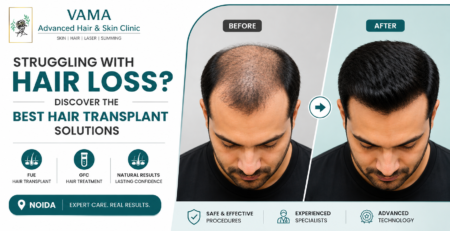
A hair transplant is a surgical procedure that moves healthy follicles from a donor area, usually the back or sides of the scalp, to areas of thinning or baldness. Common techniques include FUE, FUT and DHI, and the right one depends on the extent of hair loss, donor availability and your goals. At VAMA Solution, we focus on carefully planned, natural-looking results using modern techniques such as FUE, under local anaesthesia.
Benefits of a Transplant
- Long-lasting results: transplanted follicles are generally long-lasting because donor hair is more resistant to hair loss
- Restores hair where it is lost: this is something medication cannot do
- Natural-looking outcome: with careful hairline design, the new hair grows in the natural direction
- No daily routine for the transplanted hair: once it has grown, it needs normal care like any other hair
Limitations and Considerations
- It is a surgical procedure: it carries risks such as infection, bleeding or scarring, though these are uncommon in a hygienic setting with trained professionals
- Recovery time: expect about 5 to 7 days of visible scabbing and a few days off strenuous activity
- Slow results: new growth starts around 3 to 4 months, with fuller results by 9 to 12 months
- Higher upfront cost: it is a one-time investment, but the cost is larger than starting medication
- Limited donor supply: there is only so much donor hair available
- Your remaining hair can still thin: so many patients continue medical treatment alongside a transplant
The procedure usually takes 4 to 8 hours, depending on the number of grafts.
Pill vs Procedure: Side by Side
What it does: medication slows loss and may support regrowth. A transplant restores hair in areas that have lost it.
Best for: medication suits early or moderate thinning. A transplant suits stable, advanced hair loss and bald patches.
Commitment: medication needs ongoing use. A transplant is a one-time procedure followed by aftercare.
Downtime: medication has none. A transplant has a recovery period of several days.
Results timeline: medication may take months to show effect. A transplant shows growth from about 3 to 4 months, with full results by 9 to 12 months.
Cost: medication has a lower start-up cost but continues over time. A transplant has a higher one-time cost.
Can You Use Both?
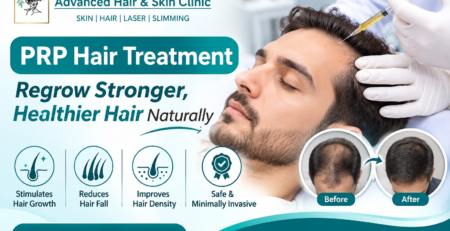
Yes, and this is common. A doctor may suggest medication to protect existing hair and slow further loss, along with a transplant to restore areas that have already lost hair. Supportive treatments such as PRP or GFC may also be added. The goal is to address both the hair you have and the hair you want to restore, so your result keeps looking good as you age.
How to Decide: A Practical Checklist
- Find the cause: get your scalp examined, and blood tests if needed. Thyroid problems, low iron, stress and scalp conditions can all cause hair fall and are treated differently.
- Check the stage: early thinning usually points to medical treatment first, while established baldness may point towards a transplant.
- Check your donor hair: a transplant needs enough healthy donor follicles.
- Think about commitment: are you comfortable with ongoing medication, or would you prefer a one-time procedure?
- Think about timing and budget: consider recovery time, upfront cost and long-term costs.
- Be realistic: no treatment gives identical results for everyone.
- Get a specialist’s opinion: an honest doctor will tell you what suits your case, including when you do not need surgery.
If you are searching for the best hair transplant in Lucknow, remember that the best choice is the one matched to your hair loss and your goals, not the most heavily advertised option.
How to Choose the Right Clinic?
Whichever route you take, the clinic matters. When you compare a hair transplant clinic in Lucknow, look for:
- A proper scalp and donor-area assessment before any plan is suggested
- Honest advice that includes non-surgical options
- A natural hairline design explained in advance
- Hygienic procedures and clear safety standards
- Clear aftercare and follow-up
- Transparent pricing with no hidden costs and no pressure
A good Lucknow hair transplant clinic should also explain the risks and limits of each option, including medication, so you can make an informed choice.
Questions to Ask Your Doctor
- What is causing my hair loss?
- Is medication enough for my stage, or do I need a transplant?
- What side effects should I know about?
- How long before I see results, and how will we track them?
- How many grafts will I need, and what does the quote include?
- What aftercare and follow-up are included?
Frequently Asked Questions
Is a hair transplant better than medication? They do different jobs. Medication slows hair loss and may support regrowth, while a transplant restores hair in areas that have lost it.
Can I stop medication after a transplant? That depends on your case. Many patients continue medical treatment to protect their remaining hair, and your doctor will advise you.
Is a hair transplant permanent? Transplanted hair is generally long-lasting, though your existing non-transplanted hair may still thin with age.
Is the procedure painful? It is done under local anaesthesia, so most patients feel little during the procedure. Mild soreness afterwards is normal.
When should I see a doctor? As soon as you notice a thinning patch, a receding hairline or increased shedding. Early action gives you more options.
Final Thoughts
The real answer to the pill-or-procedure question is that it depends on you. For early thinning, medication and supportive treatments often come first. For stable, advanced hair loss, a transplant may be the most effective way to restore coverage. For many people, a combination of both gives the best long-term result.
The simplest next step is a consultation. If you are looking for the best hair transplant clinic in Lucknow, book a visit to VAMA Solution. Our specialists will examine your scalp, explain your options honestly and recommend what suits you, with transparent pricing and a personalized plan.